
Personal coaching is changing fast because of smart rings and bands on our bodies. These devices collect data that a coach never could see in a simple session. With the Oura Ring 5 and the new Fitbit Air, coaches can finally look inside sleep, stress, and daily habits. For many clients this feels more natural than filling out long questionnaires.
Why AI Wearables Matter In Coaching
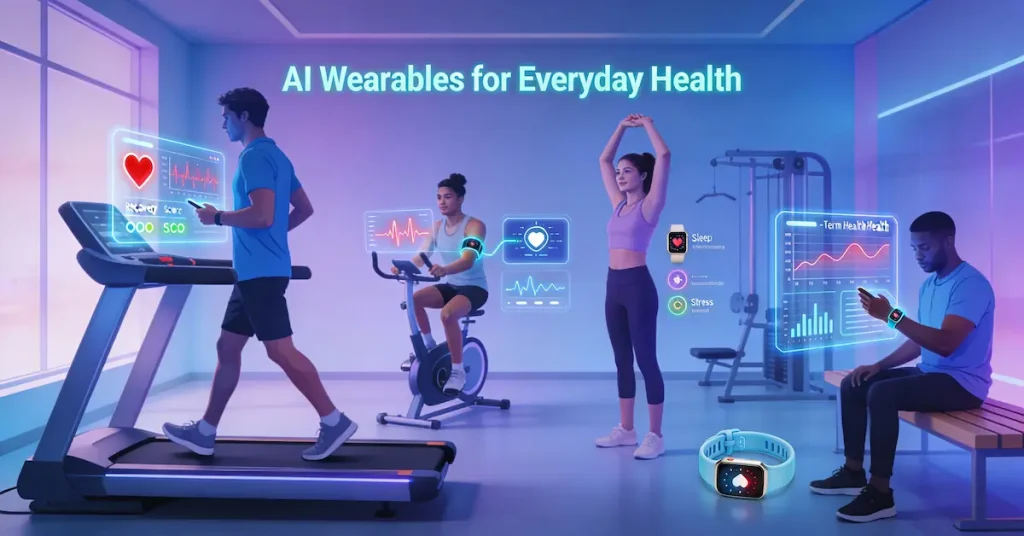
In modern personal coaching, an AI wearable can act like a silent partner in the background. It measures sleep, heart rate, and recovery so a coach does not have to guess how the client feels today. This kind of continuous data is especially useful when sessions are only once per week. The coach gets a picture of what happens on the six other days. At the same time, the client sees simple scores that turn abstract advice like “sleep better” into concrete targets. Together, coach and client can make small experiments and then check in the app if things are really improving or not. This makes the coaching process more practical and less based on guesswork.
Core Data And Coaching Signals
Both Oura Ring 5 and Fitbit Air collect a mix of sleep, activity, and stress data, but they package it in different scores and views that a coach can use. An AI wearable becomes useful when the coach can turn these numbers into simple decisions. Oura is stronger in night recovery and long-term trends. Fitbit Air is more focused on quick daily feedback and app-based guidance. For coaching, these summary scores are often easier to discuss than raw numbers. A coach can set simple rules for low readiness days, heavy stress periods, or sleep loss. Over time, these patterns become a shared language between coach and client.
Sleep, Recovery, And Stress
Sleep quality is one of the biggest links between wearable data and coaching outcomes. Oura gives more detail on sleep stages, sleep timing, and recovery patterns during the night. Fitbit Air looks more focused on simple trends that are easier to read fast in the app.
Readiness For Training
Readiness is where coaches can use the data in a very direct way. Oura uses heart rate variability, resting heart rate, and other recovery signals to show if the body is ready or overloaded by training. Fitbit Air seems more built around AI suggestions that connect sleep, movement, and stress into one daily recommendation.
Using Trends In Real Sessions
A good coach should not react too much to one bad night or one strange score. The better way is to look at trends across seven to fourteen days and then adjust habits, training load, or stress tools. This is where an AI wearable supports better coaching decisions without replacing human judgment.
Hardware, Sensors, And Data Access
From a practical view, Oura Ring 5 and Fitbit Air solve the same problem with different hardware. An AI wearable should be easy to wear for many hours, otherwise the coaching data gets weaker very fast. Oura uses a ring format that feels light and almost invisible in daily life. Fitbit Air is a slim screenless wrist device, so it stays simple and less distracting than a smartwatch. Oura works mainly through its own app and exports, while Fitbit Air is tied more closely to Google Health tools. This difference matters when a coach wants to collect reports, review trends, or fit the device into an existing workflow. So the best choice is not only about sensors, but also about usability and ecosystem.
| Feature | Oura Ring 5 | Fitbit Air | Coaching Relevance |
|---|---|---|---|
| Form Factor | Smart ring | Screenless wrist band | Comfort affects adherence |
| Main Focus | Sleep and recovery | Daily fitness and AI guidance | Shapes coaching style |
| Ecosystem | Oura app and exports | Google Health app | Changes reporting flow |
| Client Experience | Quiet and reflective | Prompt-based and active | Fits different personalities |
For many coaches, comfort and easy syncing are more important than small technical differences on paper. If a client stops wearing the device after one week, even the best sensor quality does not help. That is why hardware choice should always be linked to client behavior.
AI Wearable Coaching Features And Workflow Integration
In daily coaching work, the real question is how the device fits inside a repeatable process. An AI wearable should reduce confusion and save time for both coach and client. Oura is more like a deep measurement tool that helps the coach interpret readiness, recovery, and sleep quality. Fitbit Air feels more like a daily assistant that sends guidance through the app and supports behavior change during the week. This means the human coach can use Oura for analysis-heavy sessions and Fitbit Air for engagement-heavy programs. Both can work well, but they support different coaching styles. The coach should define clearly what the device is supposed to do and what still needs human feedback.
Oura-Based Coaching Drills
One useful drill is the “readiness adjustment” method, where the client checks the morning score and follows a pre-decided action plan. High readiness can mean harder training, medium readiness means normal structure, and low readiness means lighter movement plus recovery work. Another good drill is a seven-day sleep experiment, where the coach changes one evening habit and compares the sleep and readiness trends after one week.
Fitbit Air-Based Coaching Drills
With Fitbit Air, a practical drill is a daily micro-habit cycle based on app prompts. The coach can ask the client to follow three small AI-led actions in one week, for example a short walk after lunch, one breathing session, and one earlier bedtime target. In the next session, they review which prompts were realistic and which ones created friction.
Combining Human And Device Feedback
The best results often come when device data and coaching conversation are combined. A client may show good numbers but still feel mentally tired, or the opposite can happen. That is why coaches should use the wearable as a guide, not as the final truth.
How Personal Coaches Can Choose And Apply
For a personal coach, the right AI wearable depends on coaching method, client personality, and digital habits. Oura Ring 5 fits better when the program is built around recovery, self-awareness, sleep quality, and sustainable performance. Fitbit Air fits better when clients want simple prompts, more active daily support, and close Google integration. A smart coach can even create two simple playbooks, one for Oura users and one for Fitbit Air users. This avoids confusion and makes onboarding much easier. It also helps the coach explain clearly what the client should track each week. In the end, the better device is the one that the client really wears, understands, and uses consistently.
- Use Oura for recovery-focused clients
- Use Fitbit for habit-driven clients
- Review trends, not single bad days
- Turn scores into simple action rules
- Keep the coaching process human
Frequently Asked Questions
How Can A Coach Use Oura Data In Weekly Sessions?
A coach can review sleep score, readiness score, and trend changes over the last week and connect them with training, stress, and daily routines. The best use is not only to observe the numbers, but to turn them into one or two clear actions for the next week.
Is Fitbit Air Better For Beginners In Personal Coaching?
For some beginners, yes, because the app-guided style may feel simpler and more supportive during the day. But clients who want deeper recovery insights may still do better with Oura.
Can These Devices Replace A Human Coach?
No, they can support coaching, but they cannot replace context, empathy, and decision-making from a real coach. The strongest results usually come when wearable data and human coaching are used together.
Final Thoughts
Both Oura Ring 5 and Fitbit Air can be useful in personal coaching, but they help in different ways. Oura is stronger for recovery, sleep, and reflective coaching work. Fitbit Air looks more useful for daily prompts, habit support, and AI-led engagement. A coach gets the best result when the device matches the client, the method, and the real coaching goal.
Sources
Oura
Your Oura Readiness Score & How To Measure It (2026)
PCMag
Fitbit Air – Review 2026 (2026)
ScienceDirect
Interpreting Wearable-Derived HRV, Sleep, and Workload in Practice (2026)
CNET
Fitbit Air First Impressions: Google’s New Fitness Tracker Band (2026)


