AI Wearables and Privacy

This section addresses privacy, data protection, and ethical considerations related to AI-powered wearable devices. The articles examine how data is collected, processed, and stored, as well as potential risks and limitations users should be aware of.

The aim is to provide a balanced perspective that helps you better understand the implications of using AI wearables in daily life.

Is Wearable AI Bee A Personal Assistant Or Data Spy

AI Wearables for modern coaching

A critical look at Wearable AI Bee shows how an always‑listening assistant can turn daily life into a stream of personal data. The article explains practical privacy risks, GDPR questions for European users, and simple steps to reduce harm when using Bee in work, family and public settings.

Wearable AI Bee Data Safety For Coaching Clients

Dataprivacy with AI Wearables

Wearable AI Bee listens during coaching, creates searchable transcripts and keeps them in encrypted cloud storage. This article explains how data protection works today and gives simple, practical rules so coaches can use Bee without ignoring client privacy.

Oura Ring 4 – Privacy and Data Use Explained

Oura Ring 4 Privacy and Data Use Explained

Coaches using the Oura Ring 4 need to understand how it processes client health data. This guide explains the ring’s privacy protections, including edge processing, encryption, and GDPR compliance. Learn how clients control data sharing, what security measures protect biometric information, and how to address privacy concerns in coaching relationships.

AI Wearables And Medical Data: Hidden Privacy Risks

AI wearables and medical data privacy

AI wearables promise better medical monitoring but also collect highly sensitive health data. This article explains how data flows through devices and clouds, where legal and ethical risks appear, and which privacy criteria you can use to pick safer wearables for long‑term health tracking under GDPR.

AI Wearables in Coaching: The 7 Most Important Metrics

AI wearable metrics for coaches

AI wearables give coaches a live view into stress, sleep, recovery and daily habits. In this guide you learn which seven metrics really matter, wie du sie im Alltag nutzt, and how to respect privacy and boundaries while using AI‑driven data in life, business, fitness and mental‑health coaching.

Are Your AI Fitness Wearables Really Privacy‑Safe?

Wearables for Sport with AI

AI fitness wearables promise smarter coaching and seamless health tracking, but they also create highly sensitive data trails about your body, routines, and locations. This article looks at which fitness data AI wearables collect, where that data is stored, and how different storage models affect your privacy when you choose a new device.

Who Owns Your Wearable Data? Privacy Risks of AI Wearables

Dataprivacy with AI Wearables

Many people think fitness tracker data stays on the wrist, but most of it lives in clouds, apps and partner systems. This article explains who really controls AI wearable data, how insurers, employers and third parties may use it, and which simple steps help you reduce long-term privacy risks.

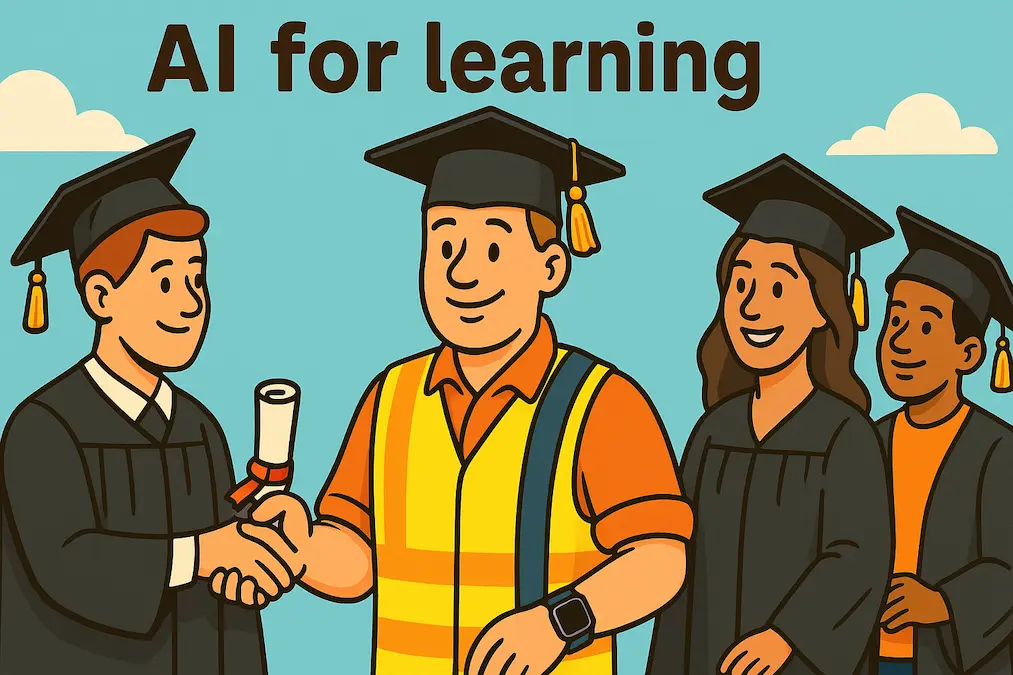
The Rise of AI at Universities

AI for learning in universities

AI is popping up everywhere on campus—it’s helping students brainstorm, professors analyze data, and everyone work faster. But hey, it only works great if we stay transparent, double-check facts, protect our data, and set clear rules. With smart guidelines, AI becomes an exciting learning partner instead of a shortcut.

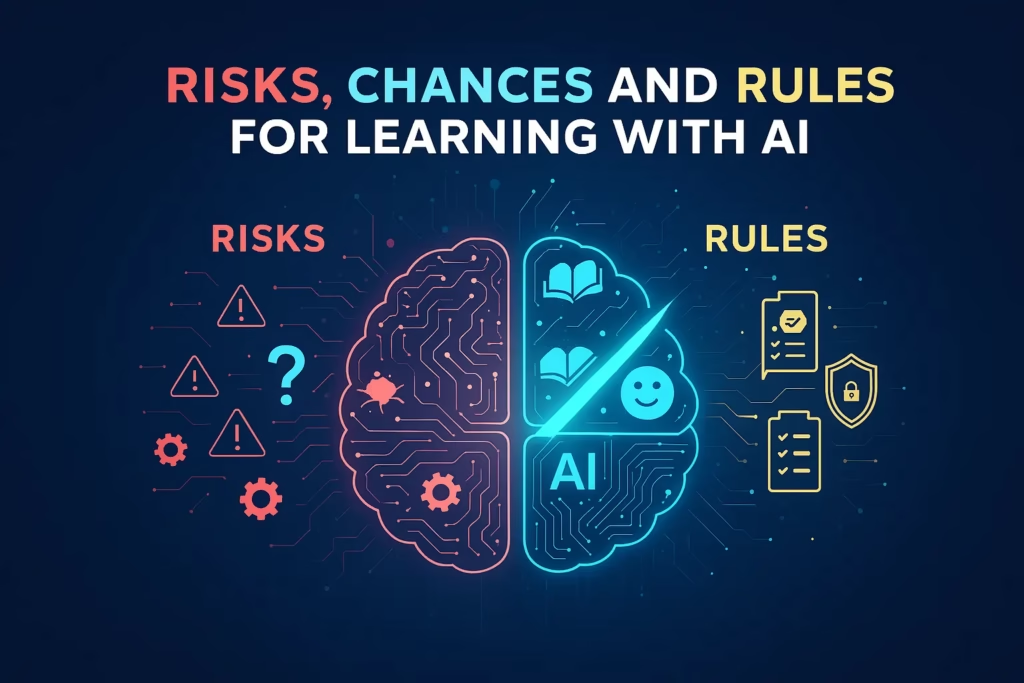
AI for Learning – Risks, Chances and Rules

AI for Learning

Artificial Intelligence (AI) in education is transforming how we learn, teach, and access knowledge. From personalized learning apps to automated grading, AI in learning creates new chances for efficiency and engagement. Yet it also brings risks like bias and overreliance. Understanding these opportunities and challenges is vital for shaping the future of AI in schools.

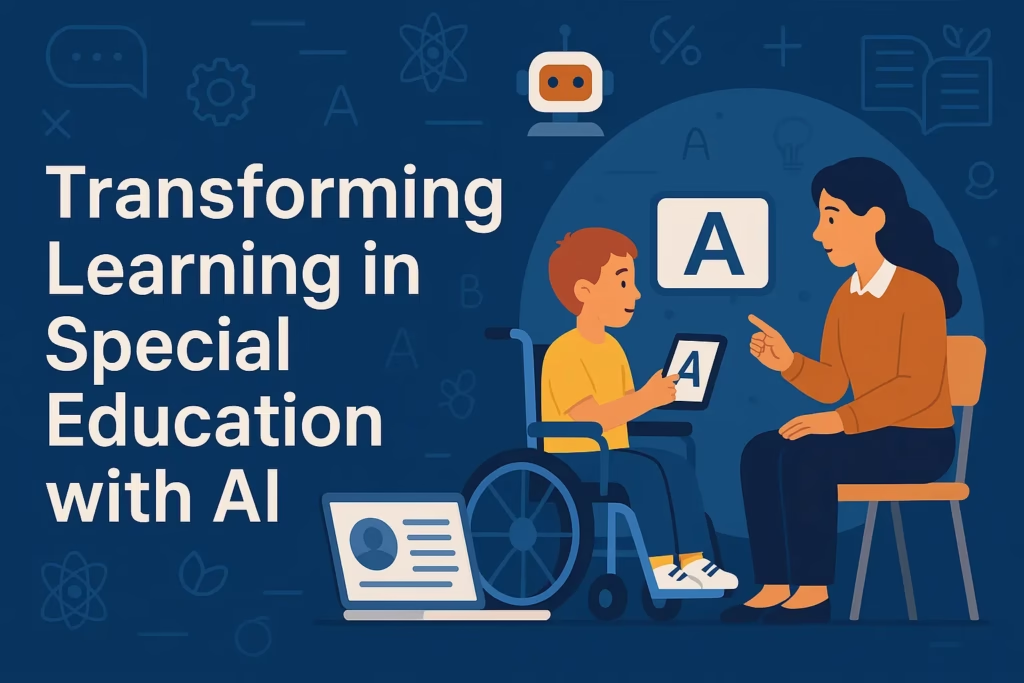
Learning in Special Education with AI

AI-Learning-special- education-chance

Artificial intelligence (AI) is revolutionizing special education by creating personalized, inclusive learning experiences. For students with special educational needs, AI acts as an adaptive companion that listens and responds to individual learning styles. It supports conditions like dyslexia and autism while helping teachers design inclusive lessons that empower every child at school and home.

Scroll to Top