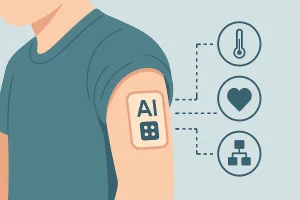
It is easy to feel lost when you compare all the watches, rings, and bands that promise smarter training. Many devices look similar, but they track and calculate training load in very different ways. AI wearables can give great insights for fitness progress, but only if you choose one that fits your sport, habits, and level. In this guide, I walk you through the key things to check before you spend your money.

Understanding Training Load Basics
Before you compare devices, it helps to understand what “training load” actually means and how AI wearables turn your workouts into numbers. Many brands mix their own marketing terms with scientific concepts, so the language can become confusing. In simple words, training load describes how much stress your body gets from exercise across days and weeks, not just in one session. Some wearables combine heart rate, duration, and intensity into a single load score, while others also use heart rate variability and pace or power to estimate how hard the session really was for your system.
Most modern devices also look at the difference between short‑term and long‑term load, sometimes called acute and chronic training load. This helps you see if you suddenly increased volume too fast, which can raise injury risk even when you still “feel fine”. On top of that, several platforms now show a recovery or readiness score that mixes sleep, stress, and previous training to tell you if today is a good day for a hard workout. When you compare products, check not only if they show training load, but also which inputs they use and how transparent the calculations are.
Key Sensors And Metrics To Compare
When you look at sensors, do not just read the spec sheet and stop there, because real‑world performance can be very different. AI wearables for training load usually start with optical heart rate, but serious athletes often add a chest strap for more stable data during intervals or strength training. Some devices also offer GPS, barometer, or even muscle oxygen sensors to better estimate running power, elevation stress, or local fatigue in specific muscles. Recovery metrics commonly include resting heart rate, heart rate variability trends, and detailed sleep tracking that is later fed into AI models.
Below is a simple overview of typical sensors and training load‑related metrics you will see:
| Feature Type | Example Sensors/Inputs | Example Load Metrics | Why It Matters |
|---|---|---|---|
| Cardiovascular | Optical HR, chest strap | Session load, TRIMP, time in zones | Core data for intensity tracking |
| Recovery & Stress | HRV, resting HR, sleep duration | Recovery score, readiness index | Helps decide daily training intensity |
| Movement & Effort | GPS, accelerometer, power, reps | Running power, strain, reps per set | Connects movement quality with load |
| Long‑Term Load | Past weeks of workouts | Acute vs chronic load, trends | Shows build‑up or drop in training volume |
The important part is how well the sensors work for your specific sport and how the platform combines them. For example, a runner may care more about GPS and pace accuracy, while a powerlifter needs reliable rep counting and heart rate during short intense sets. If you often train indoors, look for strong support for gym workouts, indoor cycling, or rowing, not only outdoor GPS sessions.
Comparing Training Load Algorithms And Insights
The biggest difference between many devices today is not only in the hardware, but in how they analyse your data and turn it into guidance. Many platforms offer a daily training load number, but they calculate it in different ways, for example using heart rate‑based EPOC models, power‑based stress scores, or mixed approaches. Some devices also show an acute‑to‑chronic workload ratio or similar trend indicator to warn you when you ramp up too fast, which can support smarter progress and lower injury risk. When you compare options, check if the brand explains how their scores are built, or if it is just a “black box” number with no clarity.
Another question is how much practical coaching you get from the data. Some ecosystems mainly show charts and numbers and leave the decisions to you, while others use AI models to suggest daily workout intensity, recovery days, and even adjustments in block periodization. If you do not have a coach, you might want stronger automatic guidance and clear messages like “today reduce intensity” instead of only graphs. But if you already work with a coach who likes to analyse raw data, a more open platform with export options and less aggressive automation can be better.
Daily Readiness And Recovery Scores
Many modern platforms now provide a daily readiness or recovery score that mixes sleep, HRV, resting heart rate, and recent training load into one simple number. The goal is to help you decide if today is good for a hard session, a moderate workout, or more rest. When comparing devices, check if you can see which variables influence the score and if trends over weeks match your own feelings.
Sport-Specific Training Features
Different devices serve different communities, so look for features that are actually helpful for your sport. Endurance athletes often want structured intervals, pace or power targets, and strong navigation, while strength athletes benefit from automatic rep counting, set detection, and movement feedback. It is also worth checking if the training load and recovery logic has modes or profiles tailored for your main activity.
Data Transparency And Export
If you care about long‑term progress, you may want to export and keep your data outside one single app. Some platforms allow easy export to training software or CSV, while others lock most information behind the subscription. Think about whether you are comfortable staying in one ecosystem for several years or if you prefer tools that play well with other apps.
Practical Things: Comfort, Battery, And Ecosystem
In the end, the best training load model is useless if you do not wear the device consistently. Devices that track fitness training load work best when you wear them all day and night, so comfort is a big factor that people sometimes forget. If the strap irritates your skin, the case is bulky, or the ring feels heavy, you will remove it more often and create gaps in your data. This later confuses models that expect stable input for trends in HRV, resting heart rate, and sleep.
Battery life is another practical detail. Long battery duration makes it easier to keep continuous tracking without stressful charging routines, especially if you travel or do long endurance events. Check the real‑world battery usage with GPS and optical heart rate on, not only the marketing number. Also look at the ecosystem: does the platform integrate with your favourite training apps, coaching tools, and health record, or is it very closed? Small things like watch faces, alert types, and how easy it is to start a workout matter for daily use as well.
When you compare options, it can help to write down your non‑negotiables, for example “must be comfortable for sleep”, “minimum 4 days battery with GPS a few times per week”, or “needs export to Strava or TrainingPeaks”. This way, you do not get distracted by fancy extra features that you will never actually use.
Quick Checklist: What To Look At
- Sensor quality for your main sport
- How training load is calculated and explained
- Recovery metrics and readiness score logic
- Comfort for 24/7 and sleep wear
- Battery life in real usage, not just on paper
Matching The Device To Your Training Style
The right device for tracking fitness training load depends a lot on how you actually train during the week. Someone who runs five times per week but also lifts twice will need slightly different metrics from a person who only does powerlifting or CrossFit. Think about your real training mix and which sessions are most important for your progress. Then check which device handles those sessions best, instead of only chasing the most popular brand.
If your main focus is endurance performance, you likely want very strong GPS, support for pace or power‑based training, and clear acute versus chronic load tracking with guidance on recovery days. If you are more into strength training, look for good rep tracking, set detection, movement feedback, and recovery metrics that respond well to heavy lifting rather than only cardio. People who mainly want general health and to avoid burnout may prefer simpler dashboards that highlight sleep, stress, and readiness instead of detailed performance analytics.
It can help to test devices with free return periods when possible. Use them for your normal week, not just one workout, and see if the training load and readiness numbers match your subjective feeling of fatigue. If the data helps you adjust intensity in a way that feels right and leads to steadier progress, you are closer to a good match.
Frequently Asked Questions
How Accurate Are Training Load Scores On Consumer Wearables?
Most consumer training load scores are rough estimates, but they can still be useful for spotting trends if your data is consistent and you do not change devices too often. You should treat the numbers as guides, not absolute truth, and always combine them with your own feeling and performance in training.
Do I Need Heart Rate Variability To Track Training Load?
You can track basic training load with heart rate and duration alone, but HRV adds useful information about how your body reacts to that load over time. If you are interested in fine‑tuning recovery and readiness for hard sessions, choosing a device with stable overnight HRV tracking can be a good idea.
Are Subscription Fees Worth It For AI Training Insights?
Some of the most advanced AI‑driven insights, like daily strain guidance and personalized recovery coaching, sit behind monthly subscriptions on certain platforms. The value depends on how much you use the features, so it often makes sense to try the free trial first and see if the extra insights actually change your training behaviour in a helpful way.
Final Thoughts
Choosing a wearable for training load is less about chasing the most advanced gadget and more about finding the tool that fits your body, sport, and routine. When you compare different devices, pay attention to sensors, algorithms, comfort, and the quality of insights, not only the marketing names. The best choice is usually the one that makes it easier for you to balance work and recovery over many months, without making you a slave to the numbers. If the data supports your decisions and you can still listen to your own body, you probably found the right companion for your training.
Sources
Frontiers in Sports and Active Living
Classification System for Ai-Enabled Consumer-Grade Wearable Technologies (2025)
Runner’s World
What Is Training Load? We Break Down This Metric (2024)
Ultimate Performance Center
Wearables in Strength Training: HRV, Sleep, Readiness (2025)
IAMCoach
Recovery Tracking for Athletes: Sleep, HRV, and Data-Driven Rest (2025)